The smart way to buy a phone: new, refurbished or carrier deal?

Where you buy a phone can matter as much as which phone you buy — and with Apple raising iPhone prices by $100 in September 2026 and Samsung’s foldables also getting pricier, it matters more than ever.
Buying new and unlocked
Paying the full price up front — directly from the manufacturer or a big retailer — gives you the most freedom. An unlocked phone works with any carrier, is easy to resell and never ties you to a contract.
Carrier deals and instalments
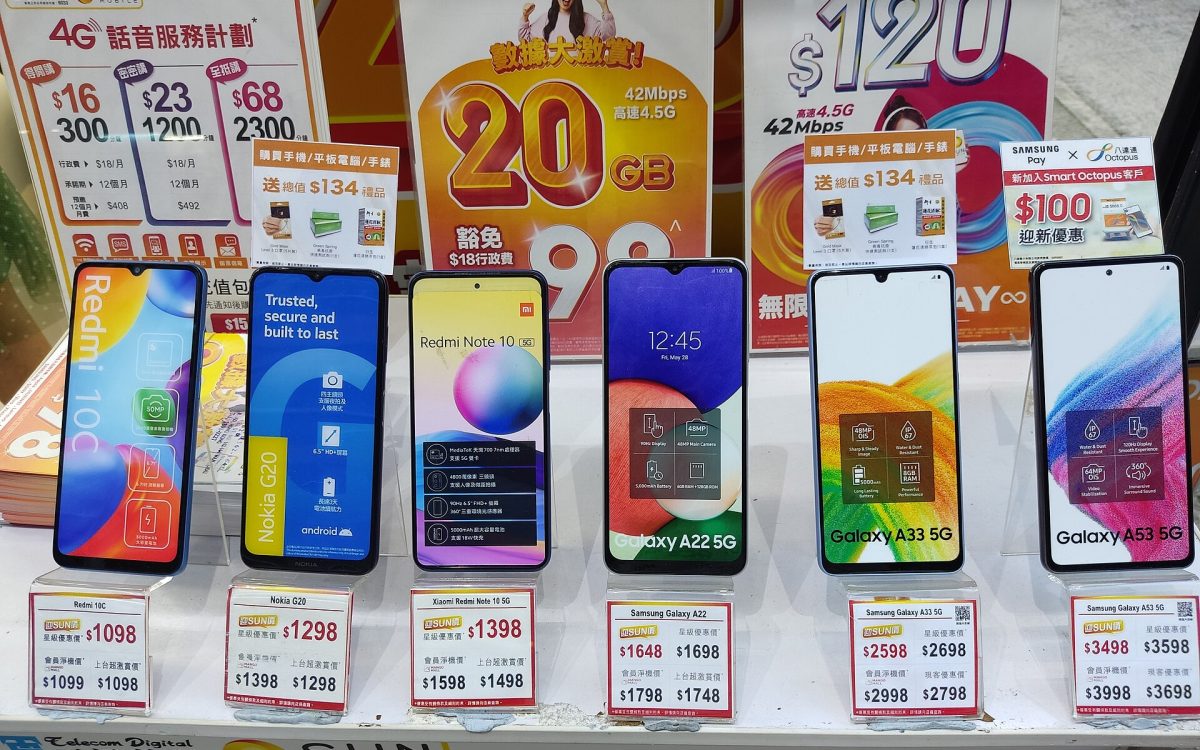
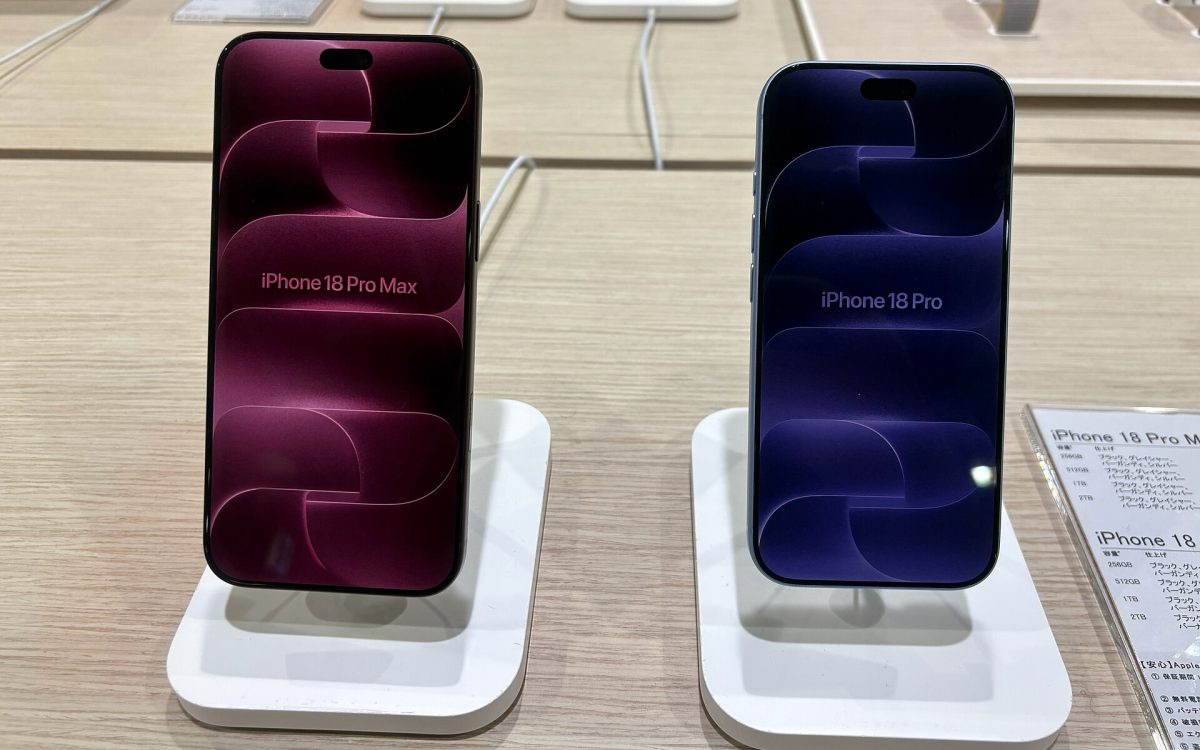
Carriers often advertise huge discounts on new launches such as the iPhone 18 Pro or Galaxy Z Fold8, but they are usually spread as monthly bill credits over two or three years. Leave early and the remaining credits disappear. Read the total cost of the plan, not just the phone price.
Certified refurbished
Manufacturer-refurbished phones and those from reputable refurbishers are tested, cleaned, have their battery checked or replaced and come with a warranty. Recently discontinued flagships — such as the iPhone 17 Pro, which Apple stopped selling in September — are often the best value here.
Second-hand from individuals
The cheapest option — and the riskiest. Before you pay:
- Check that the phone is signed out of its Apple Account or Google account (no activation lock).
- Check the IMEI with your carrier’s blacklist checker.
- Look at battery health and cycle count, and test the cameras, speakers, buttons and charging port.
- Meet in a public place and avoid wire transfers to strangers.
| Option | Price | Risk | Warranty |
|---|---|---|---|
| New, unlocked | Highest | Lowest | Full |
| Carrier deal | Spread out | Contract lock-in | Full |
| Certified refurbished | Medium | Low | Usually 1 year |
| Private second-hand | Lowest | Highest | Rarely |
Remember that long update promises — seven years on the Galaxy S26 and Pixel 11 — make a one- or two-year-old flagship a much safer buy than it used to be.
Cover photo (cropped): Piotrus, CC BY-SA 4.0, via Wikimedia Commons