Cases and screen protectors: what actually saves a dropped phone
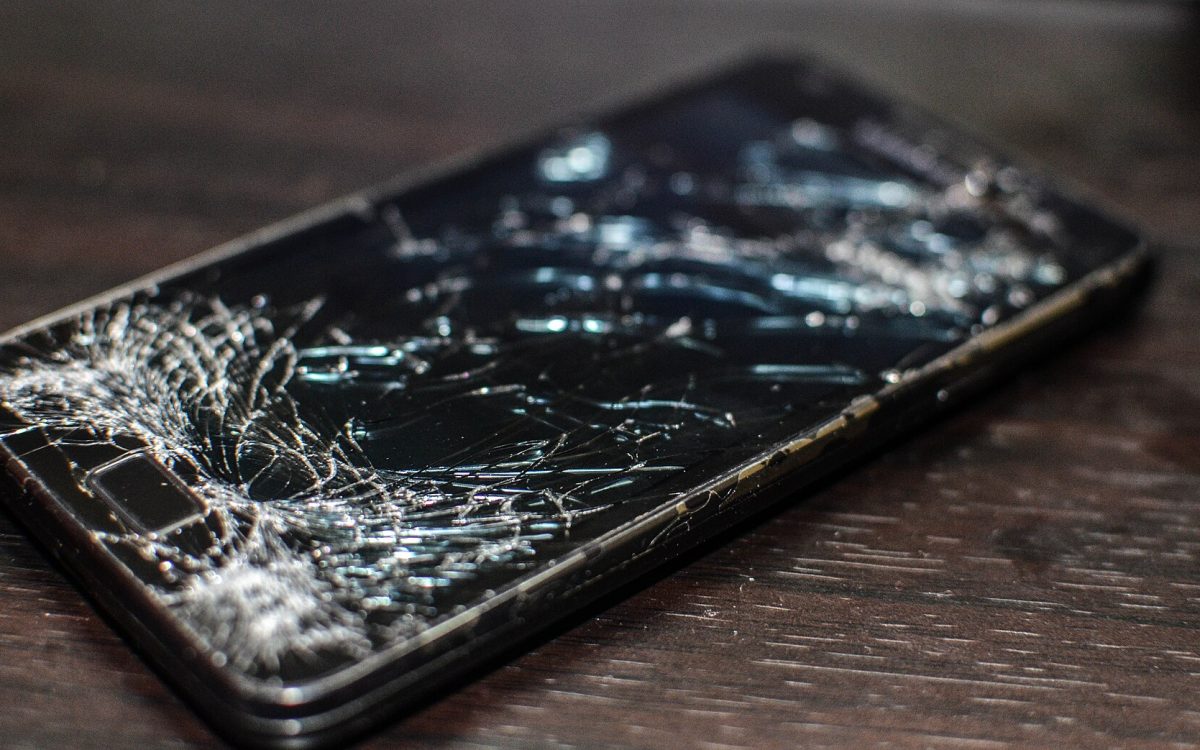
Stories of phones surviving incredible falls — from rooftops, from aircraft, even from a helicopter, as one of our most popular early posts described — go viral every few years. They are lucky exceptions. Here is what actually protects a phone in an everyday drop.
Corners take the hit
Most drops land on a corner or edge. A case with thicker or air-cushioned corners does more than a thick back panel.
A raised lip matters
Choose a case whose edges rise slightly above the screen and camera lenses. Camera bumps keep growing — the 200MP and periscope cameras on phones like the Galaxy S26 Ultra stick out — so lens protection matters more than ever.
Screen protectors: tempered glass vs film
- Tempered glass is a sacrificial layer: it cracks so the screen does not, and it feels like the real display.
- Film (TPU or PET) protects against scratches but does little against impacts.
- Privacy protectors darken the screen from the side. The Galaxy S26 Ultra now builds this into the display itself, so it does not need one.
- No protector: modern cover glass is tough against drops but still scratches from sand and grit.
Case types
| Type | Protection | Bulk |
|---|---|---|
| Thin clear or silicone | Light | Minimal |
| Hybrid (soft edge, hard back) | Good | Moderate |
| Rugged / multi-layer | Best | High |
| Folio / wallet | Good for the screen | Moderate |
Foldables need their own rules
Book-style phones such as the Galaxy Z Fold8 and iPhone Duo need two-piece cases that protect the hinge without blocking it. Never add a third-party glass protector to the inner folding screen — use only the factory film or an approved replacement.
The other protection: insurance
With flagship and foldable prices now between $1,200 and $2,100, an extended warranty or insurance plan with accidental-damage cover can be worth more than any case.
Cover photo (cropped): Ashwin Kumar from Bangalore, India, CC BY-SA 2.0, via Wikimedia Commons